Commercial Waste in Forest Hill
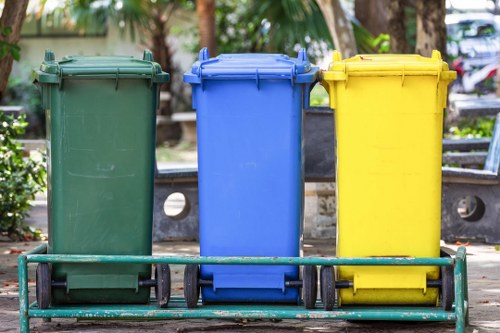
Commercial waste in Forest Hill needs a service that is straightforward, responsible and suited to everyday business waste streams. We collect and remove a wide range of non-hazardous commercial materials, helping organisations keep premises clear, manage refuse sensibly and maintain workable routines. The focus is on practical collection, careful handling and disposal routes that suit offices, shops, studios, hospitality premises and other trading spaces.
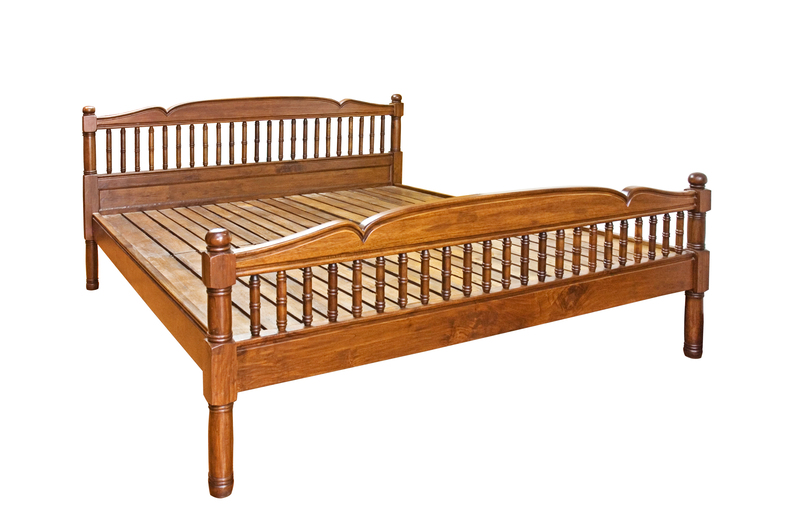
Our work can cover recurring clear-outs as well as one-off removals when storage areas, back rooms or workspaces have built up surplus items. That might include packaging, broken fixtures, redundant furniture, mixed office rubbish or general business clutter that should be taken away without disrupting the day. Clearer premises are easier to manage, and the service is designed to be direct rather than complicated.
If you need commercial waste removed in Forest Hill, you can request a quotation once you know the sort of materials involved. If the load includes unusual items or anything that may need extra care, it is sensible to mention that early so the right approach can be arranged.
Business Waste Removal for Day-to-Day Operations

Business waste removal is often about keeping everyday tasks moving. Offices, retail units and shared workspaces can accumulate paper, packaging, damaged stock, old fittings and general rubbish that should be removed efficiently. A well-planned collection helps avoid piles forming in circulation areas, storage cupboards and loading points, and it also supports tidier working conditions for staff and visitors.
We handle mixed commercial waste with attention to sorting and disposal, so items can be separated where practical instead of simply being treated as one undifferentiated load. When a business is clearing out several categories of material at once, a single removal can be easier than arranging multiple small collections. For that reason, it often helps to group the main items together before the visit.
What this type of removal commonly covers
The service is suited to many routine commercial clearances, including items such as cardboard, shelving offcuts, redundant desk units, broken chairs, archived paperwork for disposal and general refuse left after a move or refit. It is also useful when stockrooms need to be emptied before reorganisation or when trading areas need a reset after equipment is replaced. If you are comparing options, the key point is whether the waste can be removed safely, legally and with the minimum of disruption.
Office Clearance and Internal Fit-Out Waste

Office clearance often involves more than simply lifting furniture out of a room. Desks, chairs, cupboards, screens, filing units and loose contents may all need to be moved in a controlled order, especially where access is tight or the building is still in use. We can help remove redundant office items, old storage pieces and general office waste so the space can be handed back, refurbished or reorganised.
Fit-out and reconfiguration work also produces mixed waste that needs sensible management. Packaging, protective materials, unwanted fixtures and dismantled components can build up quickly once works begin. In these situations, a practical clearance service helps keep the project area usable. If you want to prepare well, grouping like items together and identifying anything fragile or awkward to move can make the collection more efficient.
For a clear next step, you can look at the kind of load you have and decide whether it is primarily office furniture, general business rubbish or a mixed clearance. Office clearance is often the most relevant option where the main task is removing workspace contents rather than standard refuse alone. If a quotation is needed, provide a short description of the volume and access conditions so the price can be matched to the job rather than guessed.
Specialist Items and Careful Disposal
Some commercial waste requires a more careful approach than ordinary mixed rubbish. Items such as fridges, appliances, mattresses, sofas and hazardous materials may not belong in a standard general-waste load, either because of their construction, their weight or the rules around disposal. A responsible service needs to recognise those differences and handle them with the right pathway in mind.
We also support disposal of items that are awkward to move or that may need extra planning before collection. That can include bulky furniture, broken appliances or other waste that needs manual handling and appropriate transport. When these items appear alongside regular commercial rubbish, it is usually better to describe them clearly at the outset so they can be collected in one managed removal if suitable.
When separate handling matters
Separate handling can matter when materials cannot simply be mixed together or when a load contains items with different treatment requirements. For example, a food business may have obsolete equipment alongside packaging waste, while an office may have redundant electronics together with furniture and paper. In practical terms, the more clearly the load is described, the easier it is to arrange the right disposal route and avoid unnecessary delays on the day.
Recycling, Sorting and Responsible Disposal

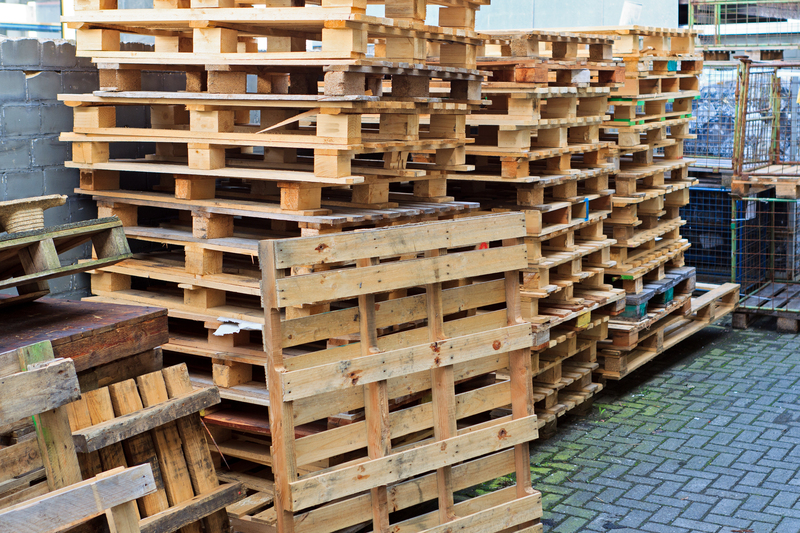
Commercial waste should not be treated as a single blanket category when better sorting is possible. Recyclable material, reusable items and general rubbish can often be separated so that disposal is more orderly. That may include cardboard, metal fixtures, clean timber from dismantled items or other materials that can follow a more suitable route than ordinary refuse.
Responsible disposal is not just about removing items from the premises. It is about ensuring they are dealt with in a way that reflects the type of waste collected. Where items can be diverted away from general disposal, that approach is generally preferable. Sorting at source can help the process, especially when a business has been running down stock or clearing several rooms at once.
There are also broader commercial considerations. Some companies want to keep the process simple, while others need better separation because their waste includes different material types. If that matters to you, it is sensible to mention it when seeking a quotation. The more clearly the waste is described, the easier it is to understand what can be collected together and what may need separate treatment.
Planning a Commercial Collection
Good planning makes a commercial collection easier to carry out. The most useful information is usually a brief description of the waste, the location within the building and any access points the collection team may need to use. If a load is spread across several rooms, or if it includes heavy items, it helps to know that in advance so the collection can be organised sensibly.
A simple list can help when you are preparing an enquiry:
- the main type of commercial waste
- any bulky or heavy items
- whether the waste is mixed or sorted
- how access is arranged at the premises
- any item that needs special handling
That kind of information is enough to begin a useful discussion without overcomplicating the process. If you are ready to compare options, pricing and quotes is the natural place to review how the service is approached. For many customers, a short description and a clear list of items is all that is needed to move from general interest to an informed quotation.
About Forest Hill
Forest Hill is a district in the London Borough of Lewisham, in south-east London, known for its mixture of Victorian and Edwardian streets, local high ground and links to nearby green space. The area sits on elevated land that helped shape its development, and its name is closely associated with the wooded landscape that once covered parts of the wider district. Today, Forest Hill combines residential roads, small-scale commercial streets and transport connections that tie it into the surrounding boroughs. One of its best-known landmarks is the Horniman Museum and Gardens, founded by Frederick Horniman and now recognised for its collections, landscaped grounds and views across London. The museum’s gardens and the nearby open spaces contribute to the area’s distinctive character, giving residents and visitors access to green routes within a dense urban setting. The South Circular road passes through the district, reflecting its long-standing role as part of a wider transport corridor, while the station provides rail and Overground connections that support local travel. Forest Hill also has a varied built environment, with later suburban development sitting alongside older structures, local parades and mixed-use streets. In everyday terms, it is an area where housing, commerce and community facilities sit close together, and that combination gives Forest Hill a practical identity within south-east London. The district’s cultural life is shaped by neighbourhood venues, school communities and its relationship to nearby Dulwich, Sydenham and Honor Oak, but it remains distinct in its own right. Its balance of gardens, architecture and transport access gives it a recognisable place in London’s urban geography.
Household-Style Loads from Commercial Premises
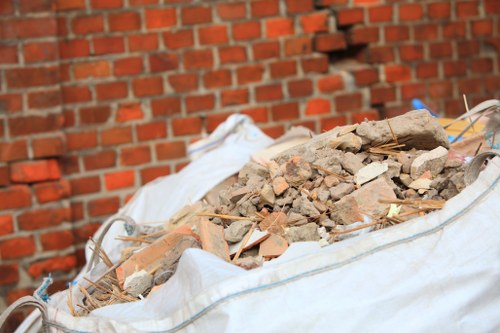
Some business waste looks less like an office clearance and more like a mix of domestic-style items from commercial settings. Staff rooms, break areas, small hospitality spaces and mixed-use premises can generate furniture, appliances, general rubbish and assorted contents that still need careful removal. These jobs often sit between standard refuse collection and full clearance work, so it helps to describe the load accurately rather than using a broad label.
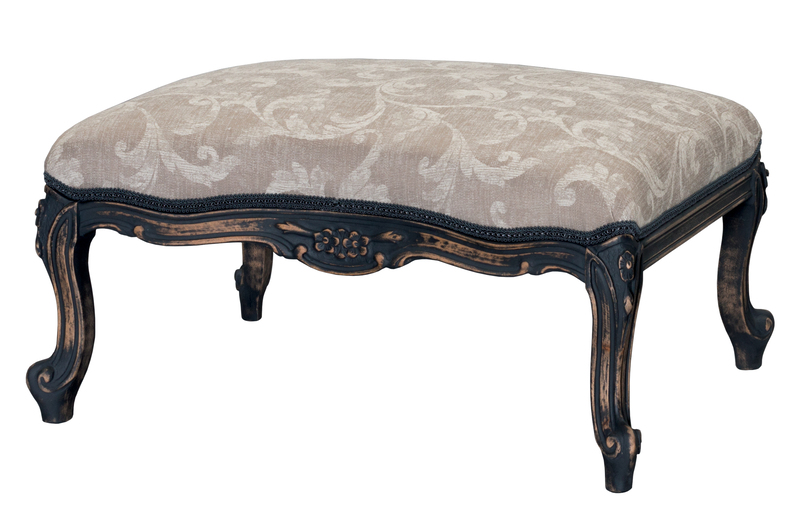
Furniture disposal becomes relevant when the main issue is unwanted tables, chairs, cabinets or similar items, especially where they are no longer useful but still take up valuable floor space. If appliances are involved, they should be identified separately because the handling and disposal route can differ. The same applies to mattresses, sofas and other bulky pieces that may not fit neatly into a general waste description.
Before sending an enquiry, it is useful to ask whether the waste is mainly furniture, mainly mixed rubbish or a combination of both. That distinction helps with quoting and with planning how the items should be removed from the property. If you are ready to take the next step, contact us to request a quotation and provide a short summary of what needs to be collected.
Waste from Storage Areas, Garages and Lofts
Commercial premises sometimes hide waste in places that are not used every day. Garages, lofts, basements and storage rooms can fill with broken stock, unwanted files, packaging remnants, redundant equipment and items that were set aside during an earlier rearrangement. Clearing these areas can be part of a larger commercial waste visit or handled on its own if that is all that needs to be removed.
Storage-area clearances often require patient sorting because the waste may have been accumulated over time. In practice, the aim is to remove what is no longer needed while leaving the premises in a more workable state. If the contents include mixed materials, it may be sensible to separate recyclables, reusable items and general rubbish before the collection. That makes the load more straightforward and can reduce the chance of confusion on arrival.
For businesses with several spaces to empty, it can be helpful to think in terms of zones rather than trying to describe everything in one sentence. A loft, a back store and a front trading area may each contain different waste types, and those distinctions matter when deciding how the removal should be organised. A short, clear list of the main items is usually better than a long explanation.
Commercial Waste for Refits, Moves and End-of-Tenancy Work
Businesses often need waste removed at a transition point: a move, a refit, the end of a lease or a change in use. These projects tend to produce a varied load, from furniture and packaging to fittings, loose fixtures and old stock. The waste may be concentrated in one area or spread across the whole premises, and it is often easiest to clear it in one managed operation.
At these times, the key decision is whether the waste should be removed as part of a complete clearance or as a targeted collection of particular items. A targeted approach may suit a business that only needs certain areas emptied, while a fuller clearance is better where the space must be returned in a broadly clear condition. Both options depend on the nature of the load and the access available.
Where a project is time-sensitive, the best preparation is to identify the main waste groups in advance and separate any items that are staying on site. That avoids confusion and helps the collection focus on the correct materials. Even when the schedule is tight, a well-described load makes the process simpler to organise.
Choosing the Right Commercial Waste Service
Choosing a commercial waste service is mainly about matching the job to the load. General refuse, furniture, office contents, specialist items and storage-area clearances all have different handling needs, so it is worth identifying the dominant waste type before making contact. A service designed for mixed commercial loads is often the most flexible option when several material types are involved.
It can also help to think about the balance between convenience and sorting. Some businesses want everything removed together in one visit, while others prefer a more selective approach because part of the material can be recycled or retained. Neither approach is automatically better; the sensible choice depends on what is on site and how the premises need to be left afterwards.
If you are deciding how to proceed, start with the main items, then note anything bulky, fragile or unusual. From there, you can choose the most suitable route and ask for a quotation. Book online when you have the details ready, or use the contact option if you want to explain the load first.