Commercial Waste Forest Hill — Insurance and Safety for an Insured Rubbish Company
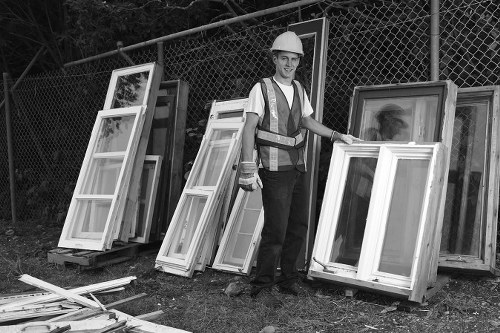 Choosing an insured rubbish company for Commercial Waste Forest Hill is not just a procurement decision — it is a safety and legal necessity. An experienced, insured waste removal provider protects your site, staff and the public by combining comprehensive insurance cover with robust operational controls. This page explains the key elements we expect from a professional insured waste company: public liability insurance, staff training, personal protective equipment (PPE) and a clear risk assessment process.
Public Liability Insurance: Why It Matters
Public liability insurance is the cornerstone of any reputable insured waste disposal company. This cover protects both clients and operators if a third party suffers injury or property damage linked to waste collection, transfer or disposal activities. For Commercial Waste Forest Hill projects, make sure the insured commercial waste company holds adequate limits to match the scale of operations and the value of potential claims.
 Core points to confirm with an insured rubbish removal contractor include:
- Policy type and limits — confirm the level of cover for public liability and employer liability.
- Indemnity to principal — this protects the client when subcontractors are involved.
- Certificate of Insurance — ensure current, verifiable documentation is available.
Staff Training and Competency
The most reliable insured waste removal company invests in continuous staff training. All operatives should complete induction training, manual handling and hazardous waste awareness where relevant. Practical competency checks, refresher courses and site-specific briefings reduce incidents and underpin insurance claims handling. Training records and qualifications should be readily available for audit and insurance verification.
 A strong training programme typically includes:
- Onboarding safety induction and vehicle-specific training.
- Regular toolbox talks and scenario-based drills for spill response and traffic management.
- Licensing and certification for handling controlled or hazardous waste streams.
When auditing an insured waste company, look for evidence of competence mapping: who can do what, when and with which qualifications. This reduces liability and demonstrates due diligence to insurers and regulators.
PPE and Equipment Standards are practical expressions of a company's commitment to safety. An insured rubbish contractor should supply and enforce the use of appropriate PPE — high-visibility clothing, gloves, eye protection, steel-toe footwear and respiratory protection where dust or fumes are present. Equipment such as lifting aids, spill kits and secure containment must be maintained and inspected on a defined schedule.
 The PPE programme should include:
- Provision — issue of the right PPE for the task.
- Fit and suitability — correct sizes and user checks.
- Maintenance — cleaning, replacement and defect reporting procedures.
 The combination of insured status and strict PPE enforcement ensures that, should an incident occur, both people and property are better protected and insurance processes can be completed efficiently.
Risk Assessment Process: a well-documented, repeatable process is essential for any insured waste disposal provider. Risk assessments should be undertaken for every contract and revisited after any significant change. A credible risk assessment process for Commercial Waste Forest Hill will identify hazards, evaluate risks, determine control measures and assign responsibilities. It should be written, communicated and stored centrally for review with insurers or regulators.
Key steps in a practical risk assessment process include:
- Site survey and hazard identification (traffic, underground services, hazardous materials).
- Risk evaluation and selection of mitigation measures (traffic management, segregation of waste, PPE).
- Implementation and monitoring, including incident reporting and corrective actions.
Documentation is fundamental: risk assessments, method statements and safety plans should be aligned with insurance declarations and made available to the client. This demonstrates that the insured waste company is managing exposures rather than reacting to them.
Incident Response and Claims Handling are part of the safety ecosystem. An insured rubbish company will have clear procedures for reporting incidents, securing the scene, preserving evidence and notifying insurers promptly. Fast, transparent communication helps reduce the financial and reputational impact of accidents and strengthens future underwriting relationships.
Finally, regulatory compliance and environmental protection are integral to the profile of any respected insured waste company operating in Commercial Waste Forest Hill. Compliance with waste transfer notes, licensed facilities for disposal, and secure tracking of waste movements protect clients from legal exposure while demonstrating operational maturity to insurers.
Choosing an insured waste removal company means prioritising safety, accountability and continuity of service. By confirming public liability cover, verifying staff training records, enforcing PPE standards and ensuring a rigorous risk assessment process, businesses can protect people, property and the environment when managing commercial waste in Forest Hill.
